CHONK DIRECTORY · Indoor plant care · Guide 6 of 9
Handle houseplant pests
Identify the pest, isolate the plant and work up from physical controls. Treat only after you know what you are treating.
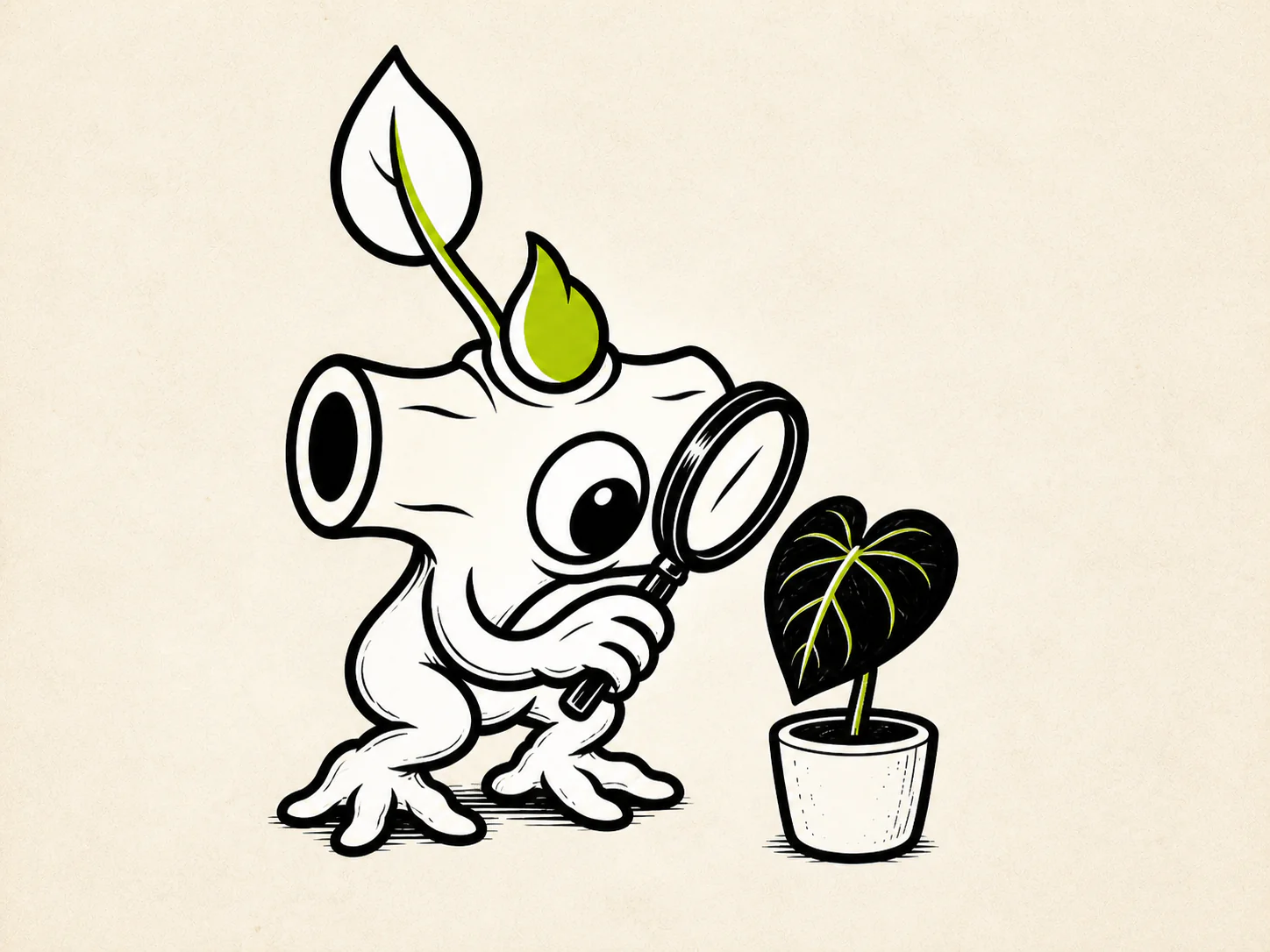
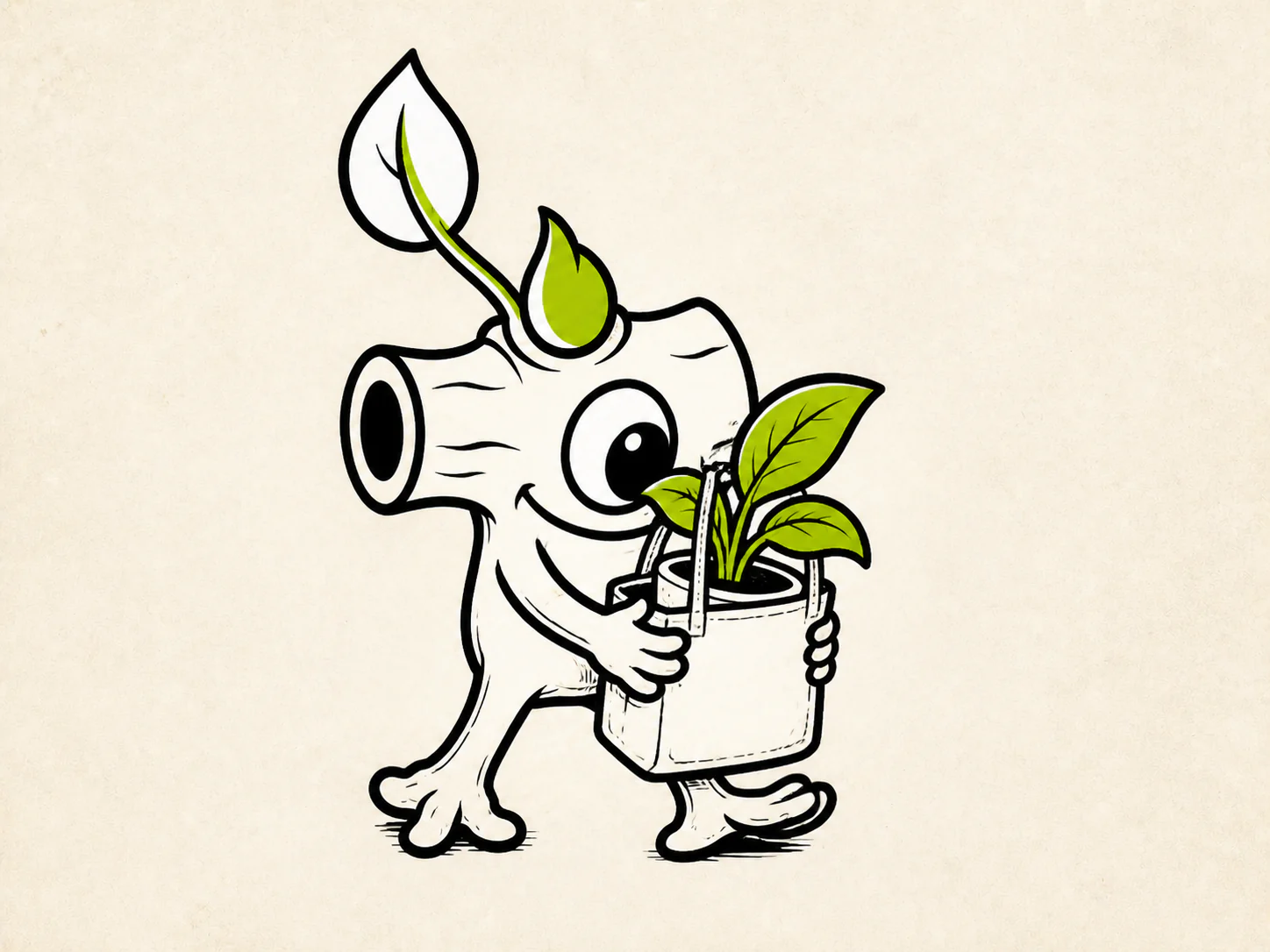
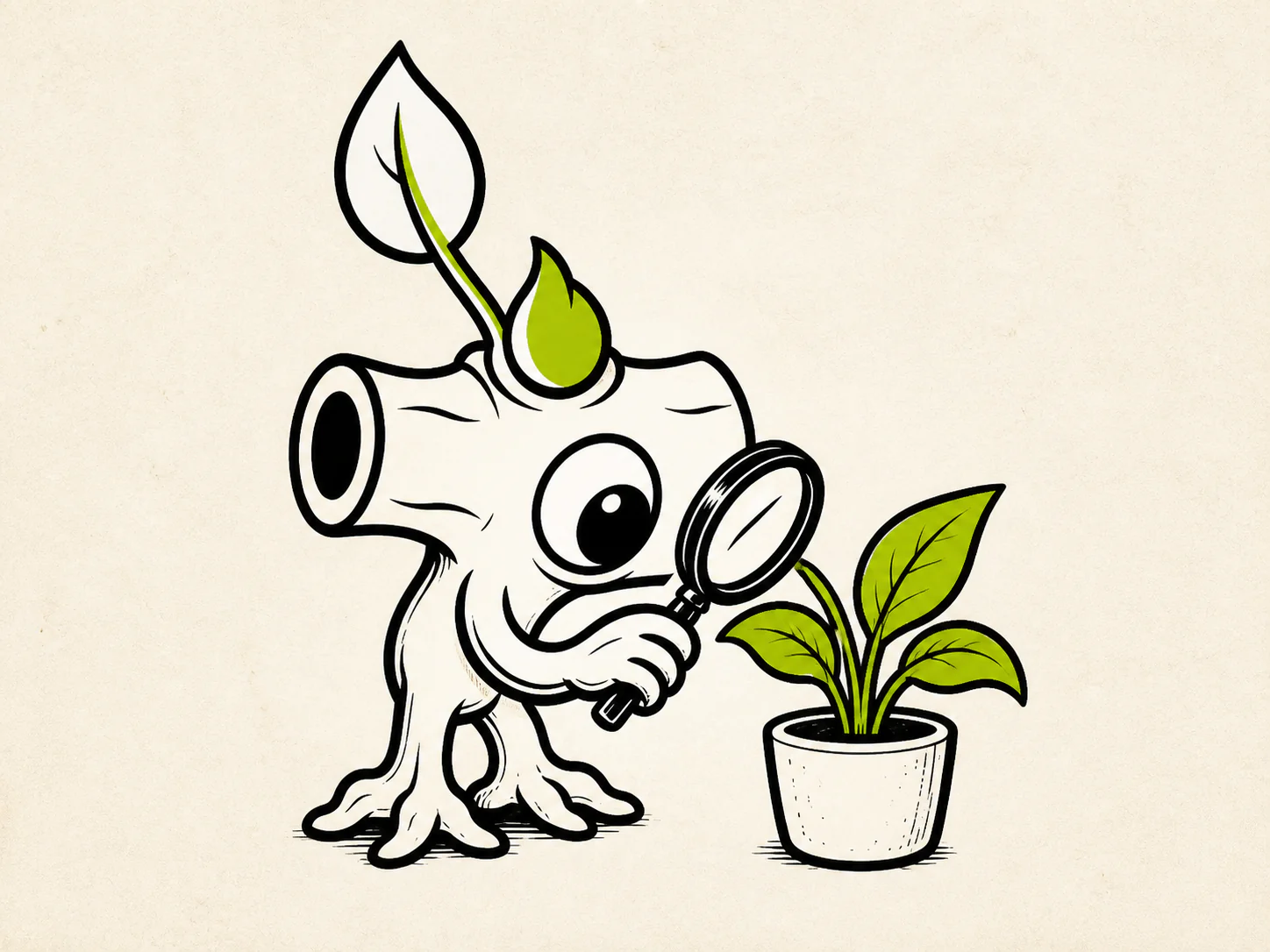
Picture guide · three scenes
Identify first. Treat second.
Isolate the plant, inspect the signs, then climb from physical controls to a pest-matched response.
Open the full pest-control checklist
01
Read the signs
Use a hand lens and inspect more than one leaf.[1][2][3]
- Thrips: silvery or dull damage with tiny black excrement spots; shake foliage over white paper.
- Spider mites: fine pale mottling underneath leaves and webbing when severe.
- Mealybugs: white cotton-like wax in leaf joints; scale: waxy shell-like bumps on stems or leaf undersides, sometimes with sticky honeydew.
02
Use an action ladder
Separate the plant, remove dead material and accessible pests, clean the growing area, then monitor repeatedly. Warm, dry and crowded conditions favour spider mites, but humidity alone will not control an outbreak.[1][3]
03
Match control to the pest
Biological controls are living organisms with specific temperature and humidity needs. Predatory Phytoseiulus mites can control two-spotted spider mite; thrips need a different matched control. Pesticide residues may harm biological controls, so check compatibility first.[4]
Controls and safety
Match the control to the pest
Biological controls are sold by pest and life stage. For pesticides, verify the exact product in the HSE database before buying or applying it.
Evidence used (6 sources)
- 1Sap-feeding insects on indoor plants ↗Royal Horticultural Society
- 2Thrips ↗Royal Horticultural Society
- 3Glasshouse red spider mite ↗Royal Horticultural Society
- 4Biological control in the garden ↗Royal Horticultural Society
- 5Using pesticides in your garden or home ↗Health and Safety Executive
- 6Garden pesticide product search ↗Health and Safety Executive