CHONK DIRECTORY · Indoor plant care · Guide 8 of 9
How to grow from a chonk
Find the node, keep it moist and airy, then wait for both roots and a shoot.
Picture guide · three scenes
Wake a chonk without drowning it.
Find the eye, keep the stem airy and moist, then let roots and a shoot set the pace.
Open the full propagation checklist
01
Check the node before the medium
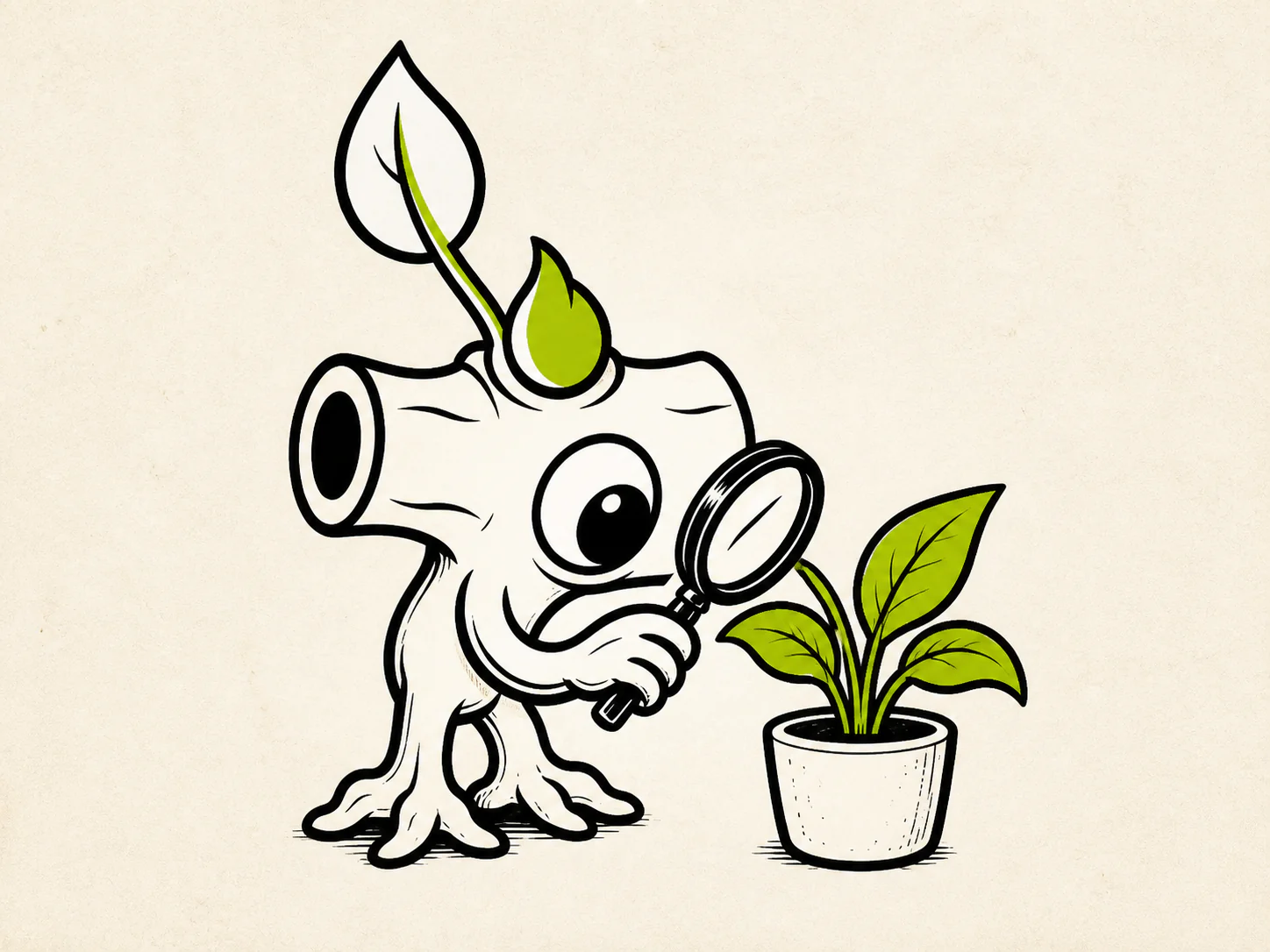
“Chonk” is collector shorthand, usually for a short, often leafless section of a node-forming houseplant stem. It is not a botanical category. Identify the plant first, then find the node and its bud or “eye”: that growth point matters more than how green or chunky the piece looks.[3][2][4][6][8][9][10][11]
- Ask for the botanical or cultivar name, a current photo of the exact piece and both cut faces, the number of nodes, which way is up, whether it is rooted and when it was cut.
- Confirm the form before paying: a seedling is seed-grown and may differ from its parent, while a chonk or cormel is vegetative material. Ask for current photographs of the exact item—not only the parent plant.
- Choose firm material. Soft, collapsing, hollow or foul-smelling tissue is a poor start.
- An aerial root can improve reliability in some aroids, but it does not prove that the growth bud is viable.
- A detached leaf or petiole is not a substitute for a stem bud in common climbing aroids. A corm, tuber or rhizome is a different plant part and needs species-specific handling.
- Specialist plant groups, swaps and member listings can connect you with hobbyists who know the parent and propagation history. That context is useful, not a guarantee: regular profit-making online sellers may be professional operators even if they use a hobby account.
02
Wake the node without drowning it
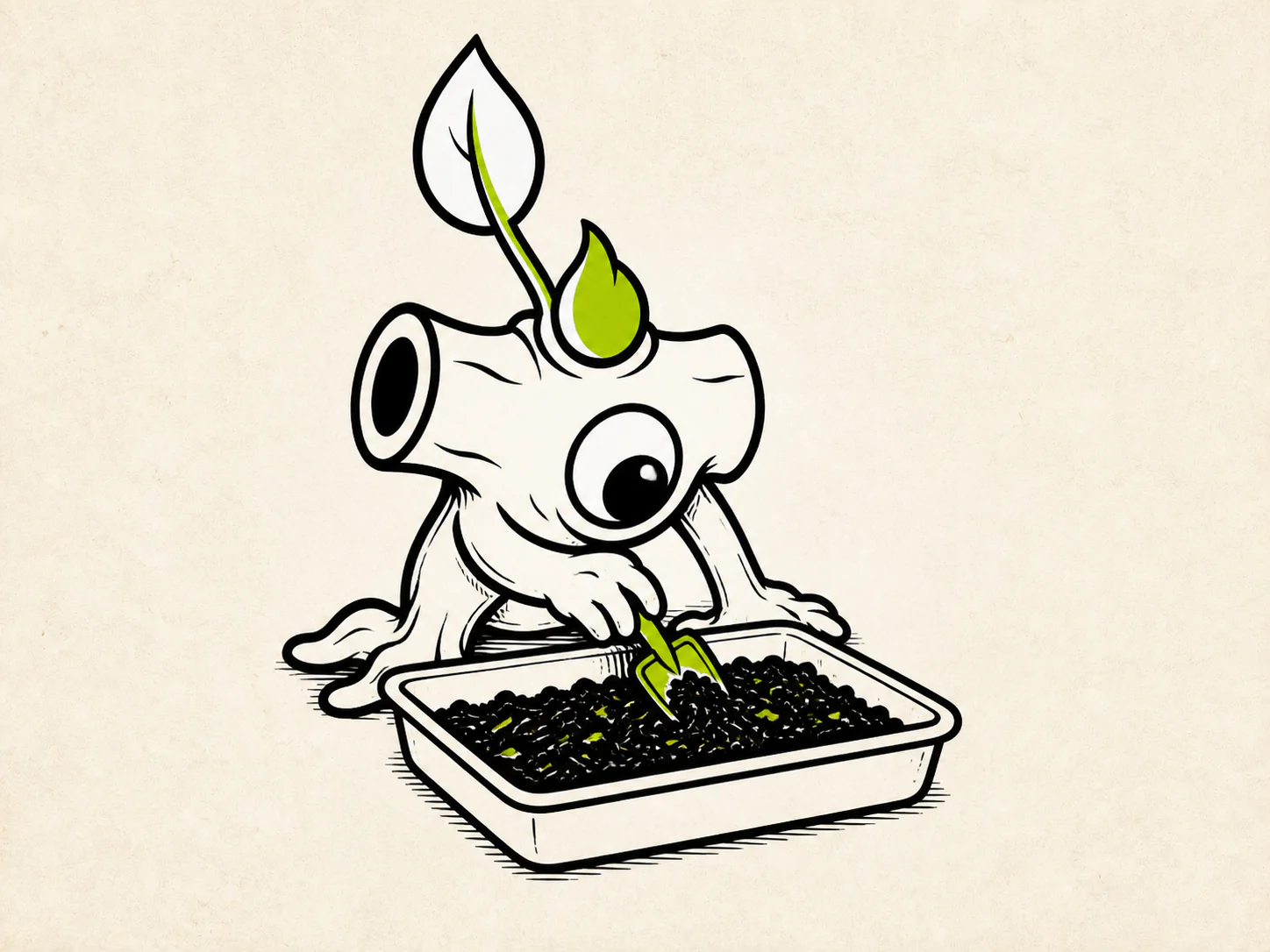
Use a clean container with drainage and fresh, airy rooting medium. Perlite, coarse sphagnum, vermiculite or a suitable mixture can all work; the job is to hold both moisture and oxygen, not to prove one medium is magic. Pre-moisten it and let excess water drain. If the piece’s orientation is unclear, lay it horizontally, about half nestled into the medium, with the eye facing up.[1][4][5]
- Keep the bud at or near the surface instead of burying the whole piece deeply.
- Give bright indirect light and steady warmth. Keep a covered box out of direct sun, where it can overheat.
- A lid or dome can slow drying, but do not seal it tightly: allow air exchange and inspect regularly.
- Re-moisten only when the medium begins to dry. Avoid puddles. Water propagation works for compatible plants, but water-grown roots can experience more stress when moved to potting mix.
- Rooting hormone is optional, not a replacement for a viable node. Follow the label; too much can slow root development.
03
Pot the plant, not the calendar
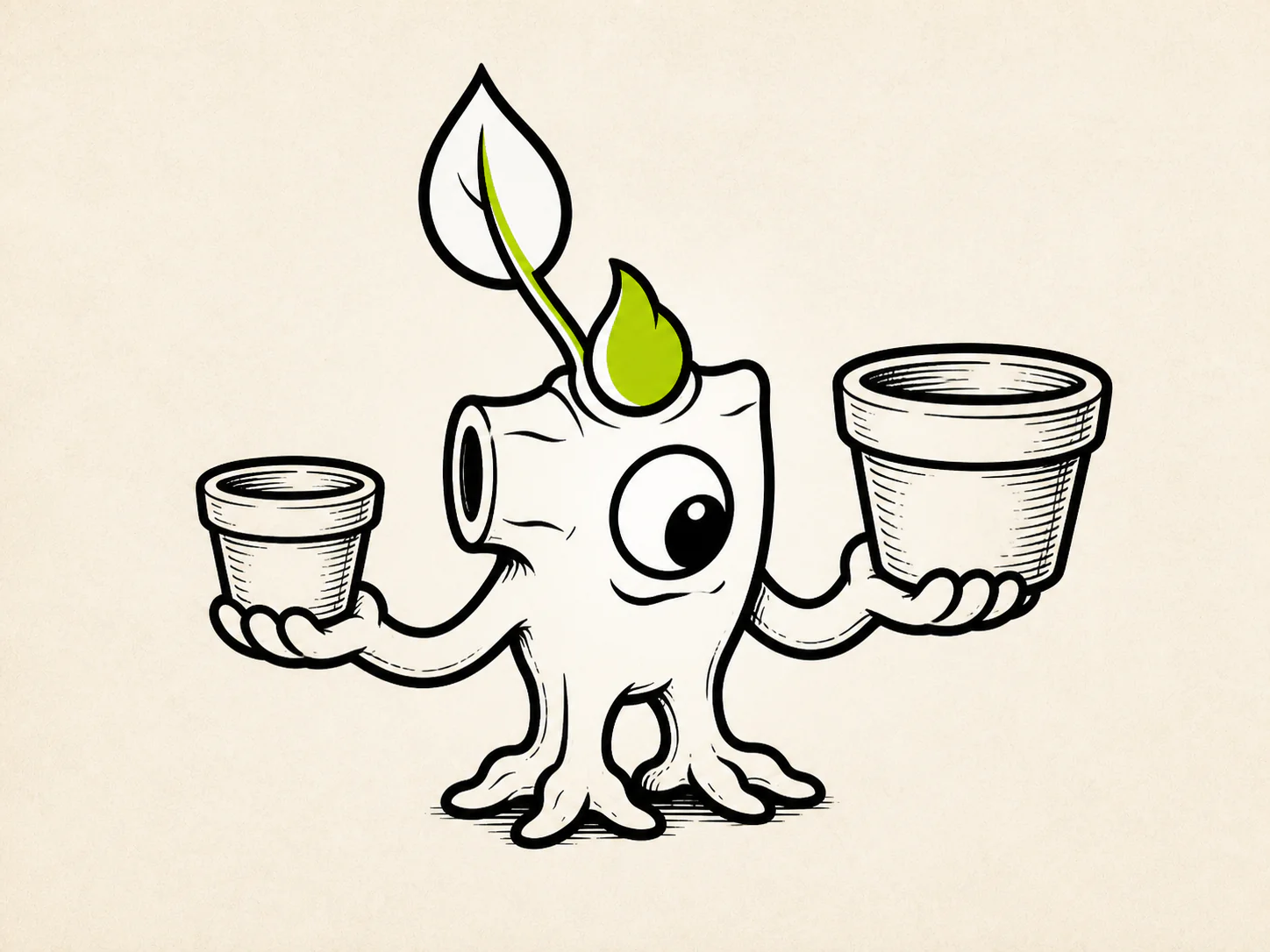
A leafless stem can make roots before a shoot, a shoot before useful roots, or appear idle for weeks. A date is not proof of success. Check through the container instead of repeatedly unearthing it, then pot up only when you have both active new growth and a useful root system.[1][5][4]
- Firm and unchanged can mean wait. Shrivelling points to lost moisture; soft, spreading collapse or a bad smell points to decay.
- Remove a diseased piece from a shared box, clean the container and sterilise tools. If decay has destroyed the only viable node or bud, rooting hormone cannot replace it.
- Start with a small pot that drains and a peat-free mix suited to the identified plant.
- Increase ventilation gradually, then keep the young plant warm and in bright indirect light while it adjusts.
- Begin regular fertiliser only after the plant is established and actively growing.
Plant groups, swaps & listings
Start with hobbyist growers
Plant groups, society exchanges, swaps and Chonk listings are useful ways to meet hobbyist growers. Buying from the person who propagated the material can make parentage and history easier to ask about, but “hobbyist” is not a guarantee of identity, viability or buyer protection. Confirm the exact item—not only the parent photograph—and whether it is a seed, seedling, corm or cormel, rooted or unrooted cutting, or node-only chonk. Check group rules, seller status, payment protection, postage and returns before paying. If someone trades plants regularly for profit online in Great Britain, check whether any required UK Plant Passport will travel with the parcel.
- Plant societies & grower groupsFind specialist grower networks, then ask about local groups, seed exchanges, swaps and member salesFind grower groups →
- Plant swaps & community eventsMeet growers face to face at community swaps and fairs; confirm the date and event rules before travellingFind swaps & events →
- Hobby and occasional sellersBrowse Chonk member cards and look for the self-declared hobby or occasional label; Chonk has not verified itBrowse Chonk sellers →
- Chonks in Chonk listingsAsk to see the exact node, cut faces, growth point and any roots—not only the parent plantSearch chonks →
- Corms in Chonk listingsConfirm the species, exact corm or cormel, separation date, firmness and visible growth pointSearch corms →
- Seedlings in Chonk listingsCheck the botanical name, parentage, sowing date, current size and photograph of the exact seedlingSearch seedlings →
Evidence used (11 sources)
- 1How to propagate houseplants by stem section (cane) cuttings ↗Iowa State University Extension and Outreach
- 2How do I propagate philodendron? ↗Iowa State University Extension and Outreach
- 3Creating new plants from old plants ↗University of Maine Cooperative Extension
- 4Propagation by cuttings, layering and division ↗Virginia Tech Extension
- 5How to take cuttings from houseplants ↗Royal Horticultural Society
- 6How to grow bulbs, corms, tubers and rhizomes ↗Royal Horticultural Society
- 7Potentially harmful garden plants ↗Royal Horticultural Society
- 8How plants reproduce ↗Royal Horticultural Society
- 9Plant societies ↗Royal Horticultural Society
- 10Am I a professional operator? ↗UK Plant Health Information Portal
- 11